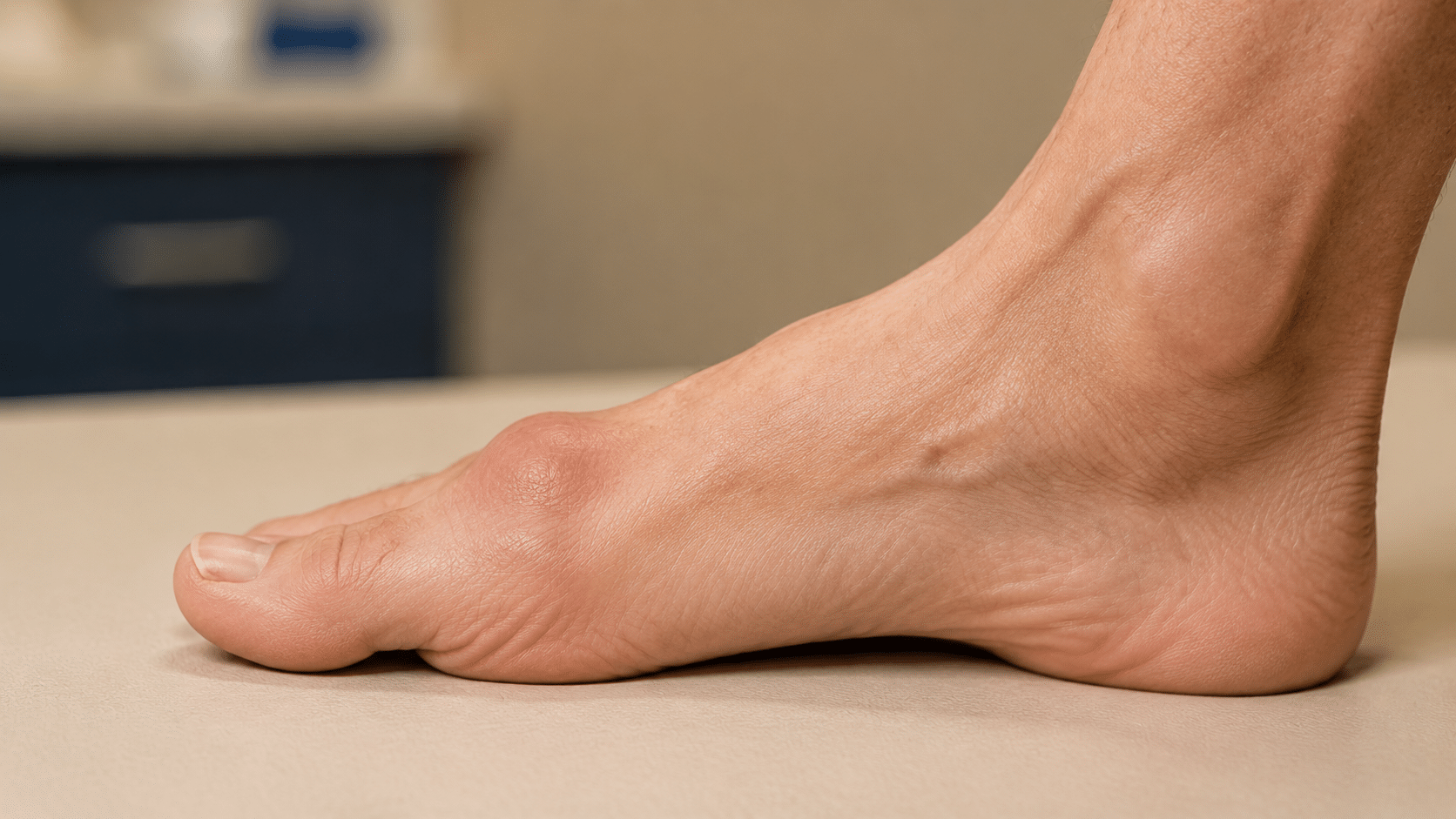
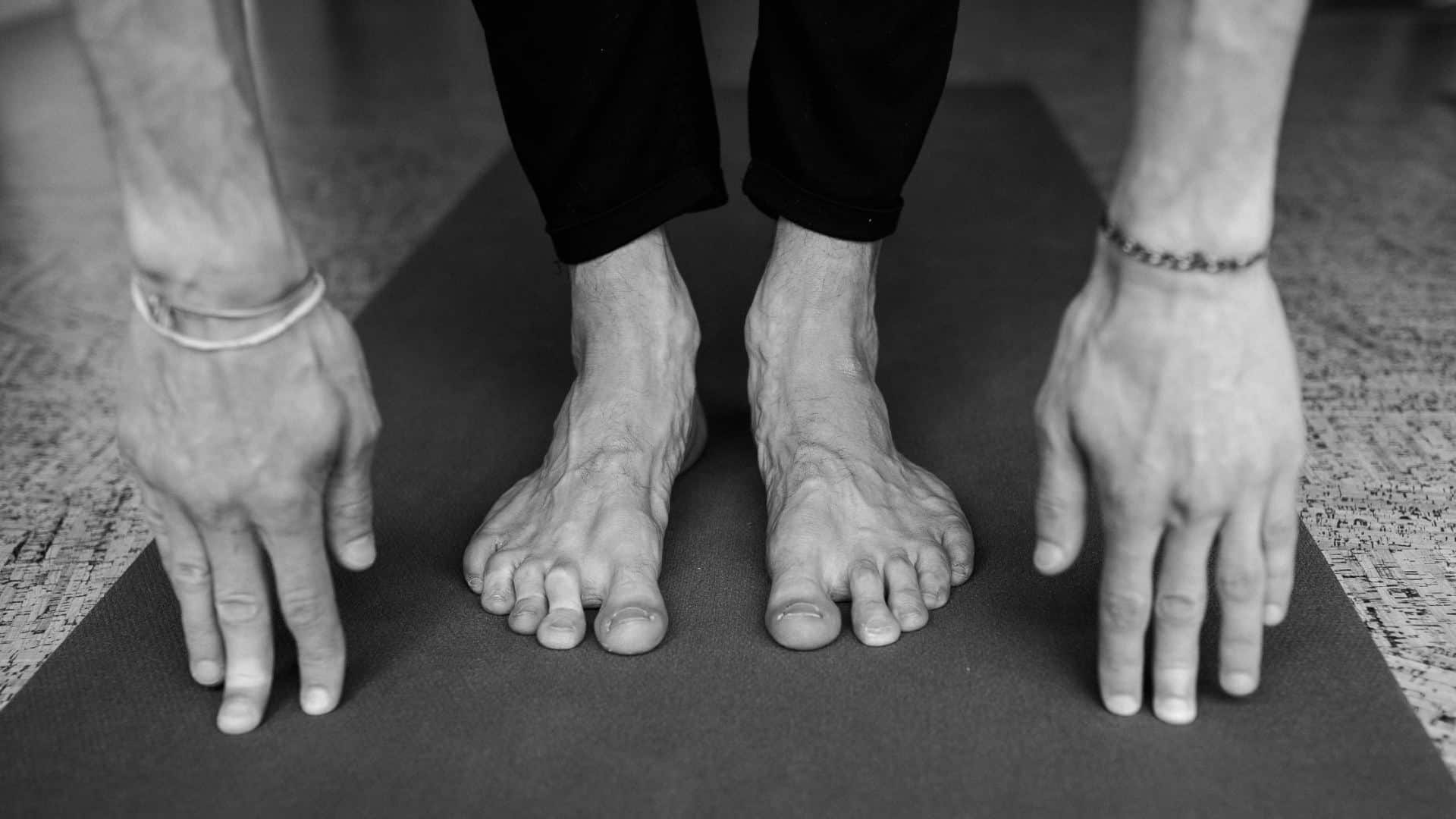
Your Foot Surgeon Doesn’t Want You To Know About These
And How You Can Avoid Possible Disaster
The traditional approach—open surgery using screws, plates, large incisions, and long recoveries—can bring unexpected complications. Before you commit, learn the six truths you need to know, plus discover a modern alternative that puts your lifestyle first.
1. You Might Not Be Allowed to Walk for Weeks
A major drawback of traditional bunion surgery is the non-weight-bearing period. Many patients must avoid putting weight on the foot for 6 to 8 weeks, which can involve:
- Crutches, knee scooters, or walkers
- Extended time off work
- Limited mobility around the home
- Cancelled activities or travel
Delays in weight-bearing can lead to serious side effects, including joint stiffness, muscle atrophy, and soft tissue contractures. These complications often:
- Require additional and painful physical therapy
- Delay your return to normal function
- Result in permanent loss of range of motion in the toes or ankle
2. Recovery May Be Longer and More Painful Than You Expect
Open bunion surgery is no small procedure. Cutting bone and inserting hardware leads to substantial trauma. Here’s what patients commonly experience:
- Prolonged swelling and bruising
- Severe pain, especially in the first 7–10 days
- Narcotic pain medications often prescribed
- Potential nerve irritation
- Wounds that take time to heal
3. You’ll Likely Have a Noticeable Scar—Or Several
Despite what you may be told, most traditional bunion surgeries leave a 3–5 inch scar along the side or top of your foot. These scars can be:
- Raised, darkened, or thickened
- Irritated by shoes or activity
- A source of self-consciousness when barefoot or in sandals
4. You Might Be Living With Screws and Plates—Permanently
Most traditional procedures involve the use of metal screws, plates, or wires to reposition bone. What surgeons may not emphasize is:
- These implants are often permanent
- They can shift or irritate soft tissue
- Some patients need a second surgery to remove them
- They can cause cold sensitivity or shoe discomfort
5. Time Off Work and Activity May Last Months
Traditional bunion surgery can keep you off your feet—and out of life—for a long time. Patients often report:
- 4 to 8 weeks non-weight-bearing
- 2 to 3 months of foot swelling
- Up to 6 months before returning to full activity
- Restrictions on driving, exercise, and travel
6. There’s a Modern, Minimally Invasive Alternative—but You’ll Have to Look for It
The biggest secret in foot surgery today? A truly modern, minimally invasive approach exists—but it’s not widely available.
Many surgeries advertised as “minimally invasive” still involve:
- Incisions larger than ¾ inch
- Metal screws and plates
- Bone cutting with traditional exposure
- Post-op non-weight-bearing restrictions
These are not the future—they’re just smaller versions of outdated methods.
✅ What Real Minimally Invasive Bunion Surgery Looks Like
Our technique uses micro-incision tools and regenerative therapies to gently correct the deformity—without the need for major surgery, hardware, or hospital care.
🦶 Key Benefits:
- Micro-incisions just millimeters wide
- No internal hardware left behind
- Virtually invisible scarring
- Performed in-office under local anesthesia
- Walk out the same day
- Faster recovery with regenerative medicine
- Lower complication risk
- Minimal pain, sometimes none
👣 Real People. Real Results.
“Recovery was minimal. I’m very happy to get back on the dance floor with my dance shoes!” – Donna H.
“Totally painless, the most pain I had was numbing the foot” – Debra M
So, What’s the Catch?
The only catch? Few surgeons are trained in this technique. But if you’re reading this, you’ve already found one of the few practices offering true minimally invasive bunion and hammertoe correction.
If you’ve waited out of fear—of pain, scars, screws, or long recovery—your moment is here.
🔗 Ready to Walk Without Pain?
- 📅 Schedule your consultation today
- 🧬 Explore regenerative foot surgery
- 🦶 Get back on your feet—without scars or screws