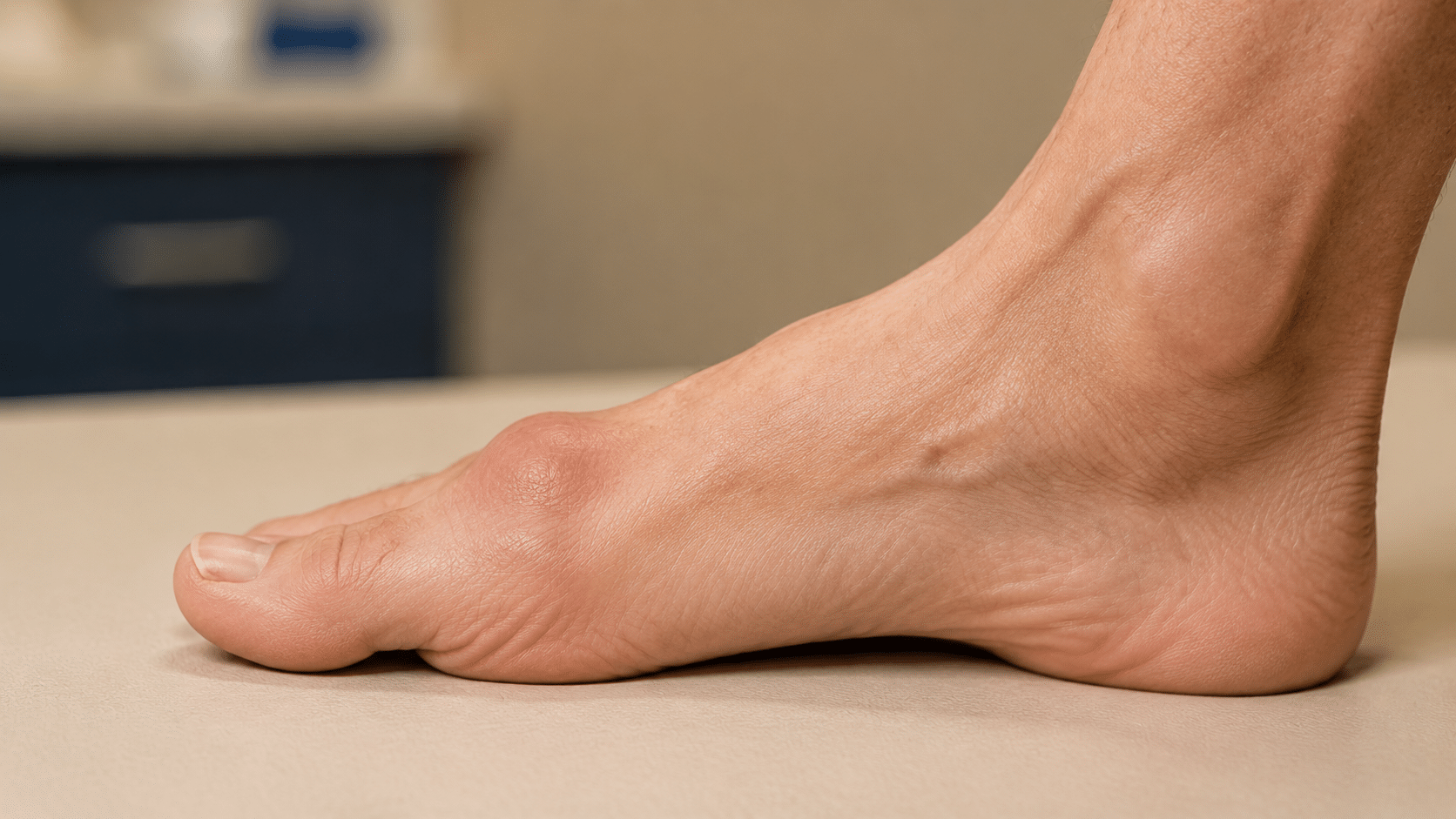
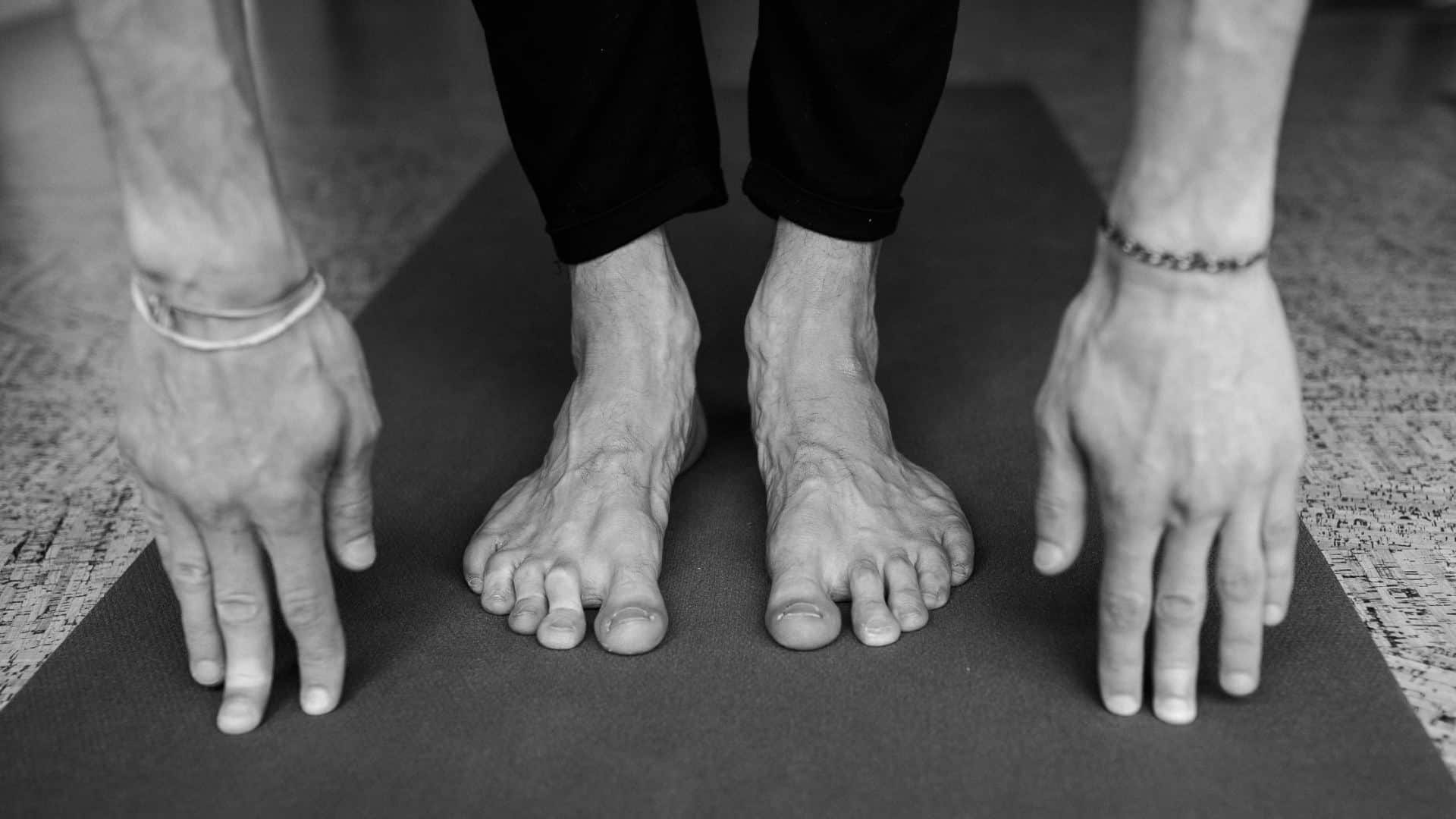
If you’ve been told that bunions and hammertoes are “just genetic,” you’re not alone — and you’re not getting the full story.
Understanding why bunions develop requires looking beyond genetics and into how the foot functions over time. Genetics may load the gun, but biomechanics, activity, footwear, and long-term stress are what actually pull the trigger.
This distinction matters. When patients understand the real causes of bunions and hammertoes, they can make smarter decisions about timing, treatment options, and whether surgery is even necessary right now.
Genetics Set the Stage — They Don’t Tell the Whole Story
Genetics absolutely influence foot structure. They can determine:
Bone shape and alignment
Joint stability
Ligament flexibility
Muscle balance
If bunions run in your family, your risk is higher. But genetics alone do not explain why one person develops a painful bunion in their 40s while another with the same foot structure never does.
To understand why bunions develop, we need to look at how forces move through the foot day after day.
The Real Reason Bunions and Hammertoes Develop: Biomechanics
Your feet take thousands of steps per day. Small alignment issues, repeated over years, gradually shift pressure across joints and tendons.
Common biomechanical contributors include:
Excessive pronation or instability
Imbalanced muscle pull across the toes
Forefoot overload during walking or standing
Progressive joint misalignment
Over time, these forces cause the big toe to drift, the metatarsal bone to shift inward, and secondary deformities — like hammertoes — to develop. This is why bunions are progressive deformities, not static problems.
Why Footwear and Lifestyle Accelerate the Process
Shoes do not technically cause bunions — but they can significantly speed up progression.
Narrow toe boxes, rigid soles, and high heels increase pressure on joints that are already unstable. Over years, this added stress worsens alignment and accelerates symptoms.
Lifestyle matters as well. Jobs that involve prolonged standing, uneven surfaces, or repetitive loading can all influence how quickly deformities progress.
Understanding why bunions develop means recognizing that structure + stress over time is the real equation.
Why Pain Often Appears Later Than the Deformity
One of the most confusing things for patients is timing.
Bunions and hammertoes often exist for years before they hurt. This leads many people to delay evaluation — until pain suddenly interferes with daily life.
Pain usually appears when:
Joint inflammation increases
Arthritis begins to develop
Shoe accommodation becomes difficult
Adjacent toes or joints are affected
By this point, deformity progression may already be advanced.
When Observation Is Reasonable — and When It’s Not
Not every bunion or hammertoe requires surgery. In fact, many patients do well for years with observation and conservative care.
Observation may be reasonable when:
Pain is mild or intermittent
Deformity is stable
Function is preserved
However, delaying evaluation can be risky when:
Deformity is clearly progressing
Pain is increasing
Shoe options are becoming limited
Secondary problems are developing
Early education doesn’t mean early surgery — it means informed timing.
How Surgical Approach Changes the Conversation
Traditional open foot surgery is often reserved for advanced cases, but it comes with tradeoffs — including six weeks of strict non-weight-bearing and prolonged recovery.
Minimally invasive foot surgery allows correction through:
Small incisions
Less soft-tissue disruption
Earlier mobility
When combined with regenerative and laser-assisted recovery protocols, this approach can:
Reduce inflammation
Support faster healing
Allow earlier return to normal shoes and activity
This expanded toolkit allows for earlier, less disruptive intervention when surgery is appropriate.
Planning Ahead Puts You in Control
Patients considering surgery 6–12 months from now are in an ideal position. You have time to:
Monitor progression
Optimize biomechanics and footwear
Understand all available options
Choose timing that fits your life
When you understand why bunions develop — and how they progress — decisions become proactive instead of reactive.
If you want a clear understanding of why your bunion or hammertoe developed, how it may progress, and what options exist to address it: