Few medical topics are surrounded by as much misunderstanding as foot surgery.
Decades-old techniques, secondhand horror stories, and outdated recovery models have created persistent foot surgery myths that keep many patients living with pain far longer than necessary. These myths don’t just cause fear — they delay care, limit options, and often result in more complex problems down the road.
Let’s separate myth from reality and bring the conversation into the modern era of foot and ankle surgery.
Myth #1: “Foot Surgery Is Extremely Painful”
This is one of the most common foot surgery myths — and one of the most outdated.
Historically, open foot surgery involved large incisions, significant soft-tissue disruption, internal hardware, and prolonged immobilization. Pain and swelling were often significant, and recovery could be difficult.
Modern minimally invasive foot surgery, especially when paired with regenerative and laser-assisted recovery protocols, is designed to:
Minimize tissue trauma
Preserve blood supply
Reduce postoperative inflammation
Improve early comfort
Many patients are genuinely surprised by how manageable recovery feels compared to what they expected. Pain is addressed proactively, and recovery is guided rather than endured.
Myth #2: “You’ll Be Off Your Feet for Months”
This myth persists because it used to be true — but it is no longer universally accurate.
With traditional open foot surgery, patients are often placed in casts or boots and kept strictly non-weight-bearing for six weeks. This level of immobilization disrupts daily life and contributes to stiffness, weakness, and prolonged recovery.
With minimally invasive foot surgery, the experience is fundamentally different:
Patients are typically weight-bearing immediately in a protective surgical shoe
Movement is encouraged as part of healing
Independence is preserved
When minimally invasive techniques are combined with advanced regenerative protocols, many patients transition into a normal shoe around three weeks, not months.
Technique — not the diagnosis alone — determines recovery.
Myth #3: “You Won’t Be Able to Drive for a Long Time”
Driving restrictions are one of the most misunderstood aspects of foot surgery.
With traditional open surgery and strict non-weight-bearing, driving is often restricted for the entire immobilization period.
With minimally invasive foot surgery:
Right foot surgery: many patients are able to drive within days, once pain is controlled and safe braking can be demonstrated
Left foot surgery: there are typically no driving restrictions for patients with automatic transmissions
This clarity alone can remove a major psychological barrier for many patients considering surgery.
Myth #4: “Foot Surgery Should Always Be a Last Resort”
This myth often keeps patients stuck in a cycle of worsening deformity and pain.
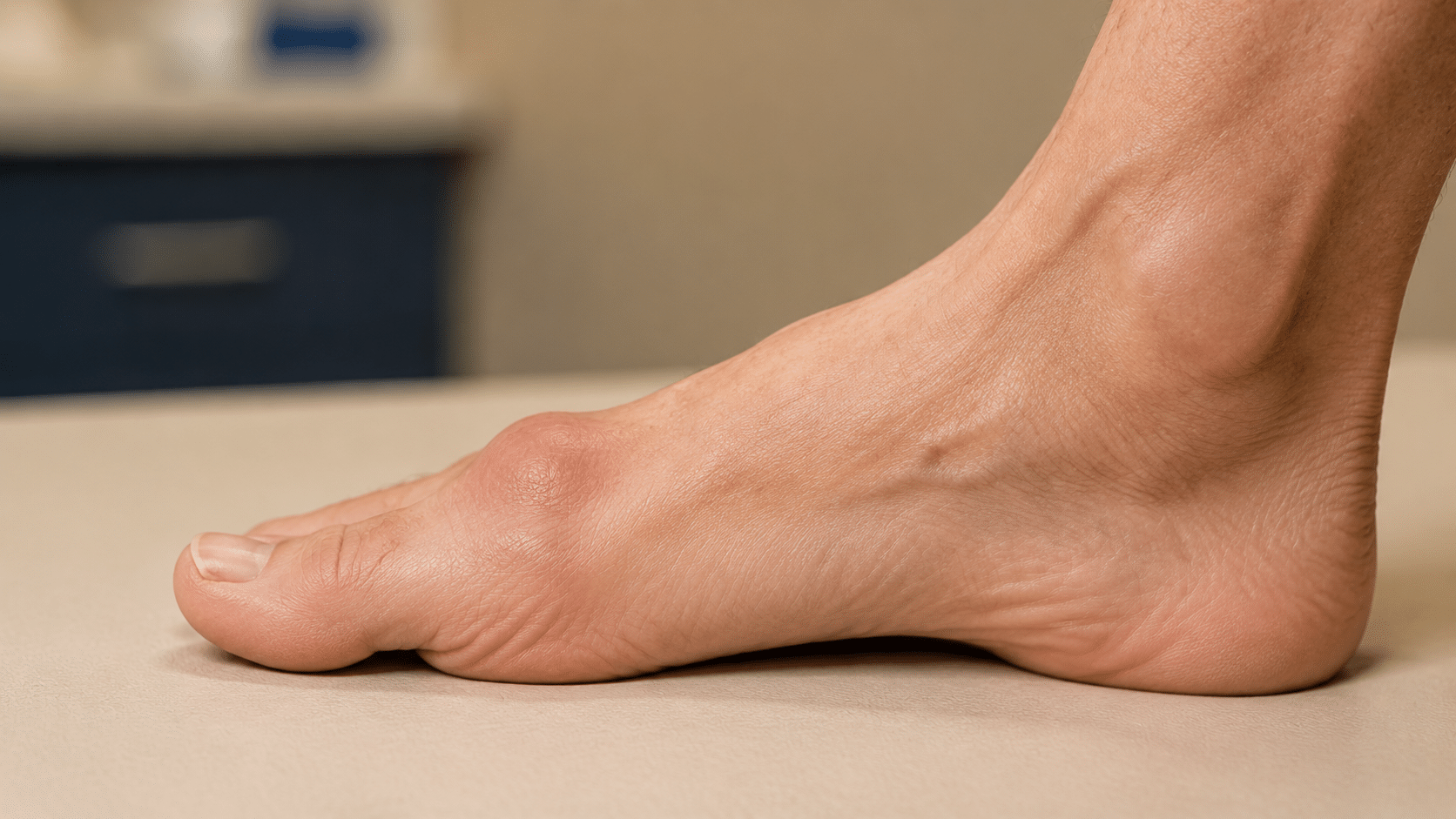
Surgery should not be rushed — but it also shouldn’t be avoided indefinitely when clearly indicated. Bunions and hammertoes are progressive deformities, meaning they often worsen over time.
Waiting too long can:
Allow deformities to progress
Increase joint damage or arthritis
Make correction more complex later
Early education does not mean early surgery. It means understanding when surgery is appropriate and choosing timing intentionally — rather than reacting when pain becomes unmanageable.
Myth #5: “All Foot Surgery Is Basically the Same”
This may be the most damaging of all foot surgery myths.
Foot surgery is not a single experience. Outcomes vary dramatically based on:
Surgical approach (open vs minimally invasive)
Surgeon experience
Use (or avoidance) of internal hardware
Recovery and rehabilitation protocols
Use of regenerative or biologic support
Two patients with the same diagnosis can have completely different recoveries depending on these factors. Modern foot surgery exists on a spectrum — not a single path.
Myth #6: “Minimally Invasive Surgery Is Just a Shortcut”
Some patients worry that minimally invasive surgery means “less thorough” surgery. In reality, the opposite is true.
Minimally invasive techniques are not about doing less — they are about doing surgery more precisely. Smaller incisions, targeted correction, and preserved tissue integrity allow the body to heal more efficiently.
When paired with regenerative and laser-assisted recovery protocols, minimally invasive surgery often delivers better functional recovery with less disruption, not compromised results.
Why Regenerative-Enhanced MIS Changes the Entire Narrative
By combining:
Minimally invasive surgical correction
Regenerative biologic therapies
Laser-based photobiomodulation
modern foot surgery addresses not only structure, but healing biology.
This approach often results in:
Faster reduction in swelling
Earlier comfort with walking
Earlier return to normal footwear
Smoother, more predictable recovery
This isn’t marketing — it’s applying modern science to a historically difficult recovery process.
The Real Takeaway
Most fears about foot surgery are based on outdated information.
When modern techniques are applied thoughtfully, candidacy is evaluated honestly, and healing is supported intelligently, many patients correct deformities with far less disruption than they ever expected.
Understanding the truth behind common foot surgery myths allows patients to make informed decisions — not fear-based ones.
If foot surgery myths have kept you uncertain, delayed your decision, or left you confused about your options, clarity can change everything.
👉 Schedule a free 15-minute phone consultation to discuss your condition, your goals, and whether modern minimally invasive options — with regenerative support — are appropriate for you.