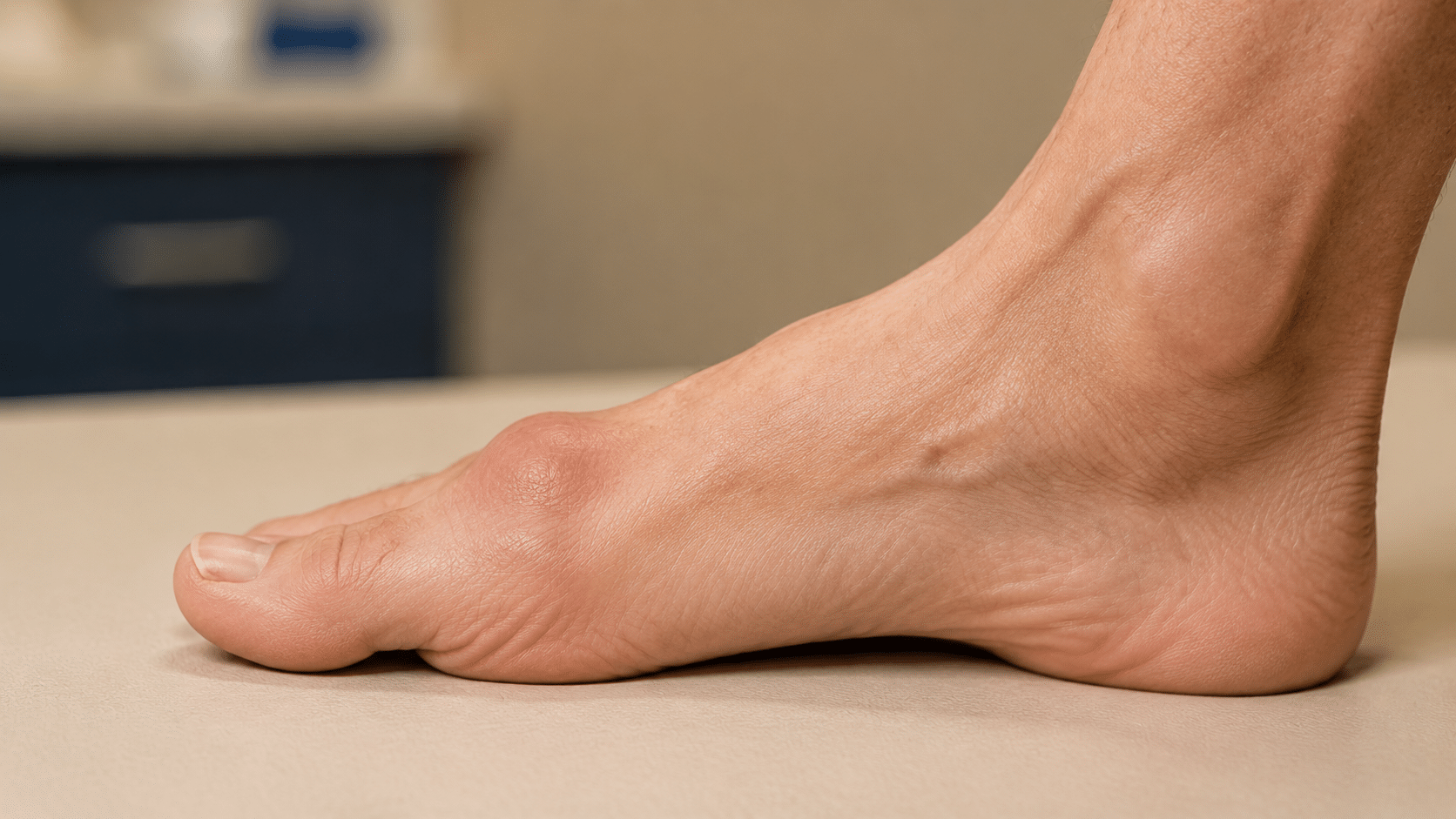
If you’re considering surgery for a bunion, hammertoe, or another foot problem, the most important decision isn’t whether to have surgery — it’s whether you’re asking the right questions before foot surgery.
Many patients walk into consultations assuming the surgeon will guide every decision automatically. But in reality, outcomes are strongly influenced by how informed the patient is, how well expectations are aligned, and whether all viable options are discussed.
The right questions lead to clarity. The wrong assumptions lead to regret.
1. What Surgical Options Exist for My Condition?
This is the most important question to ask — and one many patients never do.
Too often, patients are presented with a single plan: traditional open surgery involving large incisions, internal hardware, and six weeks of strict non-weight-bearing. What’s frequently missing from the conversation is whether minimally invasive foot surgery is an option.
You should understand:
Why a specific surgical approach is being recommended
Whether minimally invasive options exist
What the tradeoffs are between approaches
If alternatives aren’t discussed, it’s reasonable to ask why.
2. What Will My Recovery Actually Look Like?
Vague answers like “a few weeks” or “it depends” aren’t helpful.
Some of the most important questions before foot surgery include:
When will I be walking?
When can I wear a normal shoe?
When can I drive?
When can I return to work or exercise?
With regenerative-enhanced minimally invasive foot surgery, many patients:
Walk immediately in a protective surgical shoe
Transition into a normal shoe around 3 weeks
Drive within days if the right foot is involved
Have no driving restrictions for left foot surgery (automatic transmission)
These specifics matter when planning life around surgery.
3. How Much Experience Do You Have With This Technique?
Minimally invasive foot surgery is technique-dependent. Experience matters.
It’s appropriate to ask:
How often do you perform this procedure?
How long have you used this approach?
What does your typical recovery timeline look like?
Surgeons who perform these procedures routinely tend to deliver more predictable results and smoother recoveries.
4. Will Hardware Be Used — and Is It Necessary?
Internal hardware (plates, screws, pins) can be useful in certain situations — but it also introduces tradeoffs.
Hardware can:
Increase stiffness
Prolong immobilization
Cause irritation or require future removal
Many minimally invasive techniques reduce or eliminate the need for internal hardware, allowing earlier mobility and simpler recovery. Understanding whether hardware is required — and why — is critical.
5. How Is Healing Supported After Surgery?
This is one of the most overlooked questions before foot surgery.
Beyond the procedure itself, ask:
How is inflammation managed?
Are regenerative or biologic therapies used?
Is laser or photobiomodulation part of recovery?
Surgery corrects structure. Healing determines recovery speed and quality.
Advanced regenerative and laser-assisted protocols can significantly reduce swelling, improve tissue repair, and shorten downtime.
6. What If I’m Not a Good Surgical Candidate Right Now?
An honest surgeon should be comfortable recommending:
Delayed surgery
Conservative care
Or no surgery at all
Ask:
Are there situations where you recommend waiting?
What happens if surgery isn’t the right step yet?
How do you help patients decide on timing?
This honesty protects patients from rushed decisions and unnecessary procedures.
Planning Ahead Makes These Questions More Powerful
If you’re considering surgery 6–12 months from now, asking these questions early allows you to:
Gather information calmly
Avoid pressure-based decisions
Choose timing intentionally
Prepared patients consistently have better experiences.
If you want clear, honest answers to these questions before foot surgery, tailored to your foot and your goals: