Appearance Matters. Function Is What Protects the Result.
Patients sometimes lower their voices when they tell me that appearance matters.
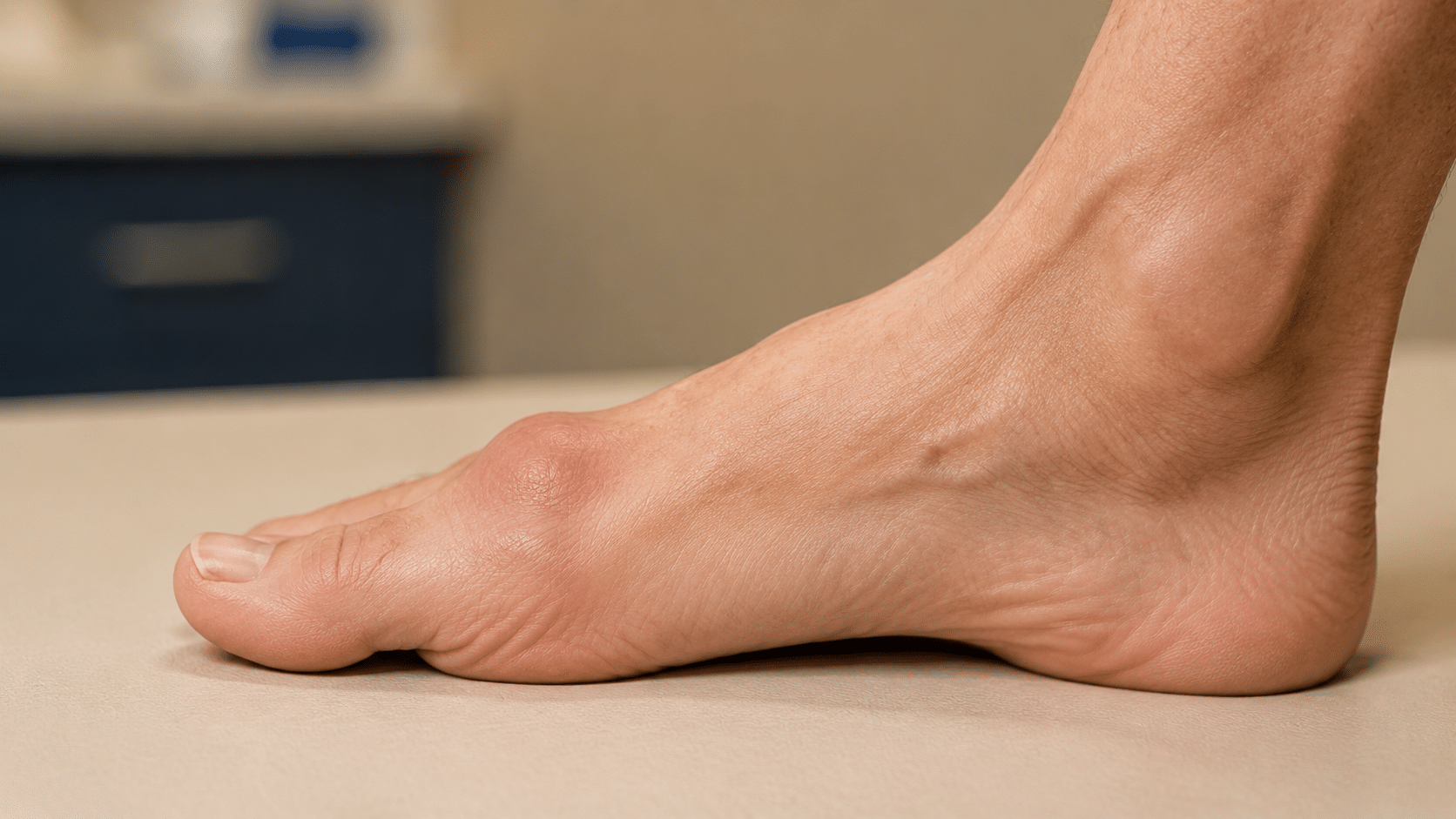
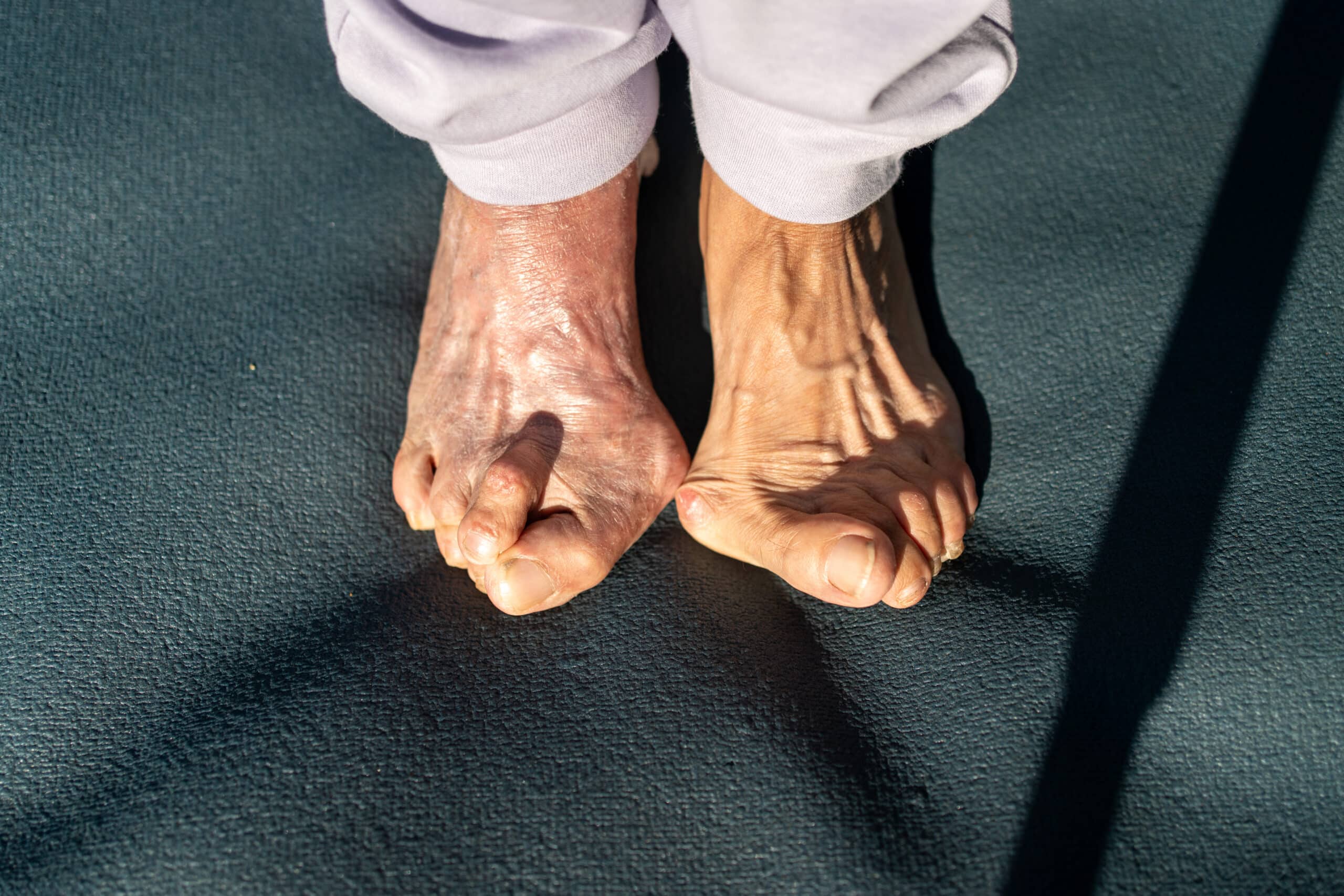
They may have pain, shoe pressure, or difficulty walking, but they also dislike the widening forefoot, the drifting toe, the callus, or the way the deformity shows through a shoe. They worry that saying this aloud will make the problem sound vain.
It does not.
A foot is part of how a person moves through the world, but it is also part of how someone dresses, presents themselves, and recognizes their own body. Appearance is a legitimate outcome. The clinical responsibility is to pursue it without separating aesthetics from structure and function.
A Smaller Scar Is Not the Same as a Cosmetic Result
Minimally invasive surgery uses small access points, which can reduce visible scarring and unnecessary soft-tissue disruption. That matters. But a tiny incision does not guarantee a natural-looking foot.
The final appearance also depends on the correction selected, rotation and alignment of the bone, joint position, soft-tissue balance, stability while healing occurs, swelling, scar biology, and the mechanics that act on the reconstructed foot afterward.
Cosmetic planning is therefore not a shortcut added to surgery. It is careful reconstructive planning with the patient’s visual priorities included from the beginning.
The Bump Is Not the Whole Deformity
For a structural bunion, simply shaving the prominence can make the foot look temporarily narrower while leaving the underlying alignment unchanged. When the root structural problem remains, function may not improve and the deforming forces may continue. This should not be confused with selected cases in which an isolated prominence or arthritic bone spur is itself the appropriate target.
That is why I evaluate the entire forefoot: the big-toe joint, sesamoid position, lesser toes, transfer pressure, skin and callus patterns, joint motion, and the way the patient loads the foot. The visible concern tells me what the patient sees. The examination tells me what has to change for the result to make sense.
Function Protects the Appearance
A foot that looks straight in a photograph but does not accept load comfortably is not a successful outcome. Neither is a technically corrected foot that ignores a patient’s concern about a conspicuous scar, residual width, toe position, or natural contour.
The best aesthetic outcomes are usually supported by good mechanics: appropriate alignment, stable healing, balanced soft tissue, and a forefoot capable of functioning as a coordinated system.
This is the Root → Fix → Heal logic applied to cosmetic goals.
Root: Understand why the foot changed and which visual features matter to the patient.
Fix: Perform the appropriate minimally invasive correction rather than treating only the visible bump.
Heal: Support swelling control, soft-tissue recovery, structural stability, scar maturation, and long-term mechanics.
What Recovery Looks Like
Cosmetic expectations should never erase the reality of early healing. The foot will swell. Bruising may occur. Incisions mature over time. A photograph taken at two or four weeks is not a finished cosmetic result.
My current minimally invasive bunion protocol is designed around immediate protected weightbearing, and many patients make an early transition to supportive everyday footwear. See more information about recovery specifics on my Recovery Timeline page. The cosmetic result continues to evolve for months as swelling resolves, scars mature, and the reconstructed foot adapts to normal load.
Procedures are performed in a surgery-center environment under local anesthesia. Dr. Tagge has never required general anesthesia for an MIS case. The correction and recovery plan remain individualized rather than being presented as a one-size-fits-all “cosmetic procedure.”
The Consultation Should Include the Result You Are Hoping to See
During the consultation, I want patients to show me what bothers them and explain what “natural” means to them. Is the concern the bump, the toe angle, the width of the foot, the neighboring toes, the scar, or the types of shoes they hope to wear again?
Those details do not replace medical judgment. They make the destination clearer.
If both appearance and function matter to you, begin with the Complete Bunion Decision Guide and the gallery of clinical results with standardized timing labels. When you are ready for an individualized plan, a discovery call can help determine whether a comprehensive evaluation with Dr. Michael Tagge is appropriate.