The Right Shoe Can Quiet a Bunion. It Cannot Realign One.
Many patients spend years searching for the shoe that will finally solve their bunion. They buy wider sizes, stretch the toe box, add pads, abandon heels, rotate sneakers, and save certain shoes for days when they will not have to walk very far.
Those choices can help. They can also become part of a quiet adaptation in which the closet grows more restrictive while the underlying structure continues to change.
The useful question is not whether footwear is good or bad. It is: What job are we asking the shoe to do?
What a Shoe Can Do
A shoe can reduce pressure over a prominent bunion, give crowded toes more space, change how much motion occurs through an irritated joint, and redistribute some load across the forefoot. For a patient whose symptoms are mild and whose activities remain intact, that may be exactly the right level of treatment.
Useful features depend on the problem. A roomy toe box may reduce direct compression. A stable platform may feel more secure. A stiffer forefoot can limit painful motion through an arthritic big-toe joint, while a shoe that accommodates natural motion may be preferable for another patient.
There is no universally “best” bunion shoe because not every painful bunion hurts for the same reason.
What a Shoe Cannot Do
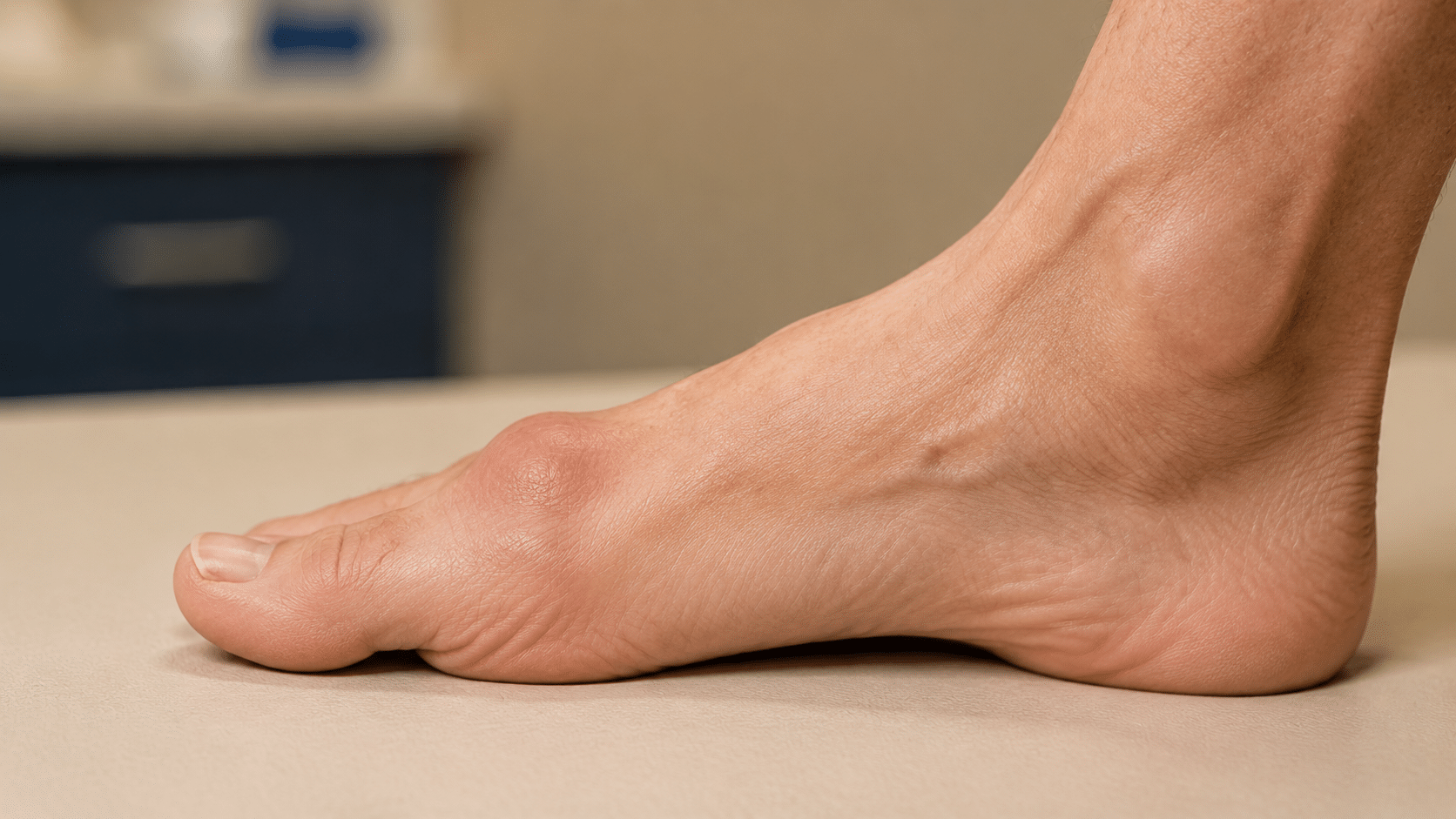
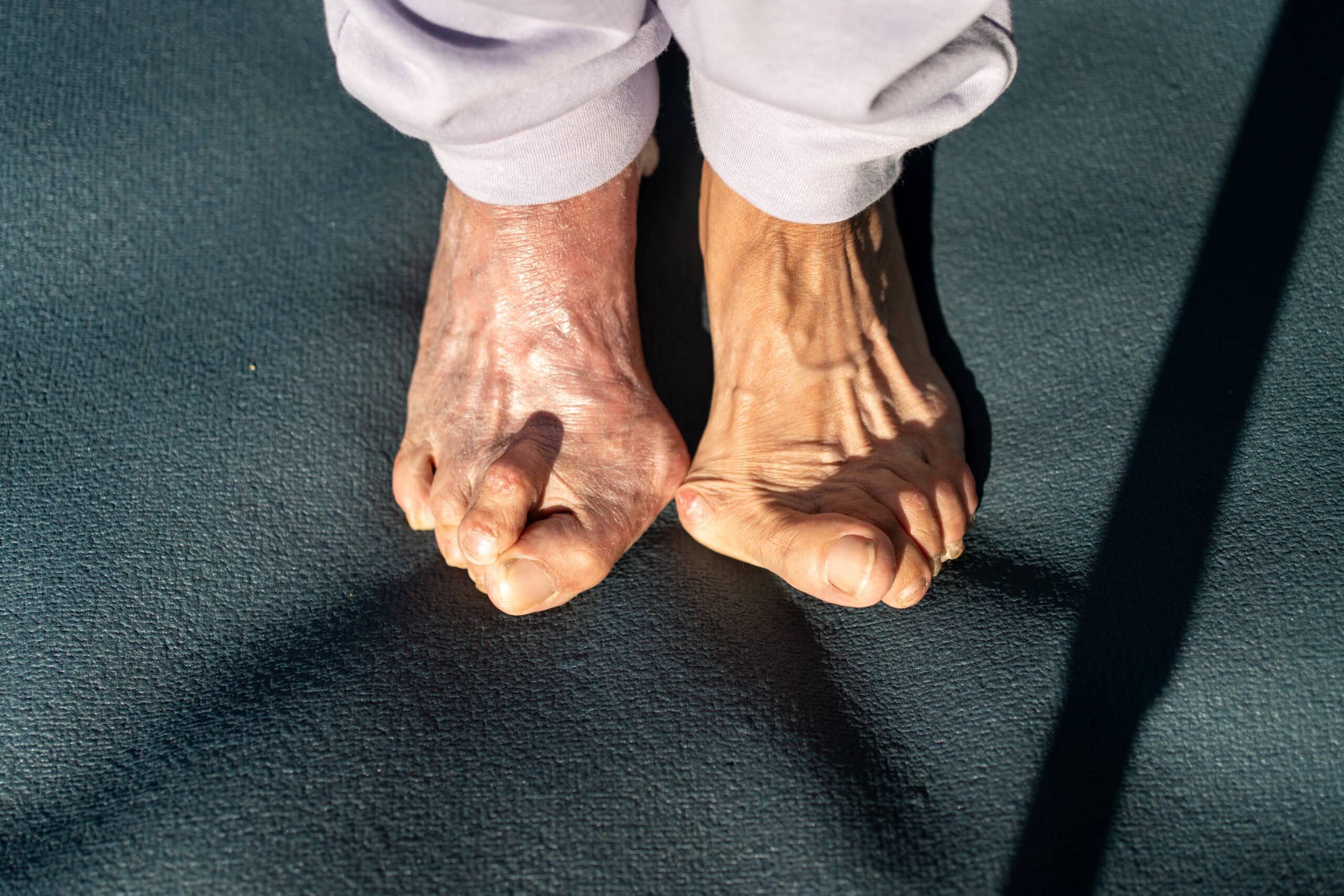
Once a structural bunion has developed, footwear does not permanently move the bones back into alignment. It may manage pressure and improve comfort, but it does not reverse the deformity.
That distinction protects patients from two opposite mistakes. The first is abandoning useful conservative care because it is not a cure. The second is spending years treating the shoe conflict while ignoring progressive crowding, joint stiffness, transfer pain, or changes in walking.
Sometimes the right goal is management. Sometimes the goal eventually becomes correction.
The Shoe Test Is Really a Life Test
Patients often judge severity by pain alone. I also pay attention to the life being reorganized around footwear.
Have you stopped wearing shoes that matter to your work or identity? Do you pack multiple pairs because you expect the foot to become painful? Have you stopped walking to dinner, traveling with confidence, or accepting invitations that involve standing? Do you choose an outfit only after deciding which shoe the foot will tolerate?
Those are not superficial concerns. They are evidence that the deformity is beginning to make decisions for you.
Appearance Is a Legitimate Part of the Conversation
Patients sometimes apologize for caring how the foot looks. They should not have to. Appearance, scar placement, shoe choice, symmetry, and confidence can be meaningful outcomes.
The responsibility is to keep aesthetics connected to function. A narrower-looking foot that does not load well or remain stable is not a successful reconstruction. The objective is a foot that looks natural because its structure and mechanics have been thoughtfully restored—not a cosmetic shortcut that ignores why the deformity developed.
When Footwear Is Still the Right Answer
If your symptoms are limited, your activities remain intact, and the deformity is not creating meaningful secondary problems, footwear modification may be all you need today. An evaluation does not obligate you to have surgery. It can simply clarify the structure, the joint, the surrounding toes, and the likely trajectory.
When the Shoe Search Has Reached Its Limit
If every new shoe becomes another temporary workaround, the problem may no longer be the shoe. It may be the structure the shoe is being asked to accommodate.
That does not automatically mean surgery. It means the next useful step is to understand the root mechanical problem and decide whether continued management or correction better serves the life you want to live.
If the problem is a changing bunion, start with the Complete Bunion Decision Guide to evaluate the adaptations you may already be making. If the dominant problem is stiffness or pain inside the big-toe joint, continue instead to the Big Toe Joint Arthritis and Joint Preservation Guide. If footwear, activity, appearance, or function has crossed a personal threshold, a discovery call can help identify the right evaluation pathway.